
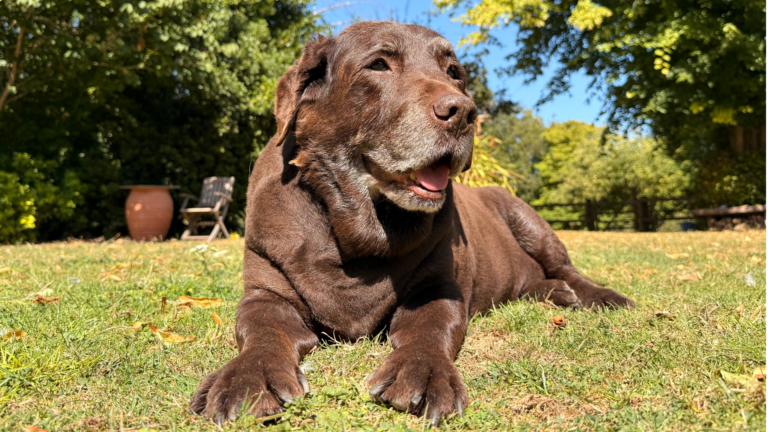
When PEIA’s CEO, Sharon Brown, shared her decision to cancel the insurance policy for Bella, her 13-year-old Labrador, she hadn’t anticipated the response it would generate.
The original LinkedIn post attracted 88,553 impressions, 366 reactions, 71 comments and six reposts, opening up conversations among people who have pets, veterinary professionals and those working in the insurance industry.
But Bella’s story wasn’t simply about the rising cost of pet insurance. It raised a much wider question about whether traditional insurance products continue to meet the changing needs of animals as they age.
Why Bella’s policy no longer felt right
Bella had been insured for many years, but at 13, her needs were changing.
Her annual renewal premium had reached £3,600. While cost was a consideration, the more important issue was whether the policy still provided the right protection for her stage of life.
The investigations and treatments Sharon would realistically consider for Bella today are different from those she might have chosen when Bella was younger.
Decisions increasingly involve quality of life, the benefits and burdens of treatment, recovery prospects and what is genuinely in Bella’s best interests.
Traditional insurance had served its purpose, but the product no longer felt appropriate.
Yet Bella still needs care and support. In many ways, the decisions ahead are becoming harder, not easier.
So when the insurance policy no longer fits, does the relationship with the insurer have to end too?
What did the response tell us?
The scale of the response was encouraging, but it was the substance of the conversations that mattered most.
Sharon revisited the comments to understand whether there were common themes. Four stood out.
1. Later-life needs change, but insurance products don’t always change with them.
People wanted more flexibility, including reduced or adjustable cover, different pricing approaches and options that combine financial protection with practical care and support.
2. This isn’t simply about affordability.
An insurance policy can become less appropriate even when someone can afford to maintain it. The question is whether the product continues to provide the protection and support that the animal and the person caring for them actually need.
3. Cancelling insurance doesn’t necessarily mean abandoning financial protection.
Several people described moving towards self-funding veterinary treatment. But that doesn’t necessarily mean they wouldn’t value a different form of protection or support.
4. Support matters just as much as financial cover.
The discussions included treatment decisions, quality-of-life assessments, palliative care, end-of-life planning and bereavement support.
These are areas where people can face some of the most difficult decisions of their animal’s life, often at a time when the emotional pressures are greatest.
An opportunity to think differently
There are already insurance products designed for older pets, and some provide valuable later-life benefits.
But is there an opportunity to develop something different?
Rather than simply offering less cover, could insurers consider products specifically designed around the changing needs of ageing animals?
That might include a combination of appropriate financial protection and access to independent veterinary guidance, quality-of-life support, palliative care services and, eventually, end-of-life and bereavement support.
The discussions also raised an interesting connection with contextualised care, where veterinary decisions reflect the individual animal’s circumstances, the available options and the needs of the person caring for them.
Could similar thinking help inform the design of later-life insurance products and supporting services?
This isn’t about replacing veterinary judgement or allowing cost alone to determine treatment. It’s about recognising that appropriate care considers the individual animal, their quality of life, the available treatment options and the circumstances of the person caring for them.
Two lifecycles: the animal and the customer
Bella’s story also highlighted an important commercial consideration.
Pet insurance is generally designed around the lifetime of an individual animal, but an insurer’s relationship with a customer can extend across several pets and many years.
If someone decides their existing policy no longer provides appropriate value, that doesn’t necessarily mean they no longer want a relationship with their insurer.
Consider a customer who chooses not to renew a £3,600 policy. From the insurer’s perspective, that premium has already been lost.
Could an alternative product, perhaps costing considerably less but offering relevant later-life protection and support, provide value to both the customer and the insurer?
The opportunity isn’t simply about retaining some premium income. It’s about maintaining trust and continuing a relationship at a particularly important stage of the customer’s experience.
How an insurer supports someone through the later stages of their pet’s life may influence where they choose to insure their next pet.
The end of a policy doesn’t have to mean the end of the customer relationship.
From conversation to industry action
The subject was discussed at PEIA’s September Members’ Forum, The Human Side of Pet Insurance, where representatives from across the insurance, veterinary and animal welfare communities came together to consider some of the challenges facing animals and the people who care for them.
Encouragingly, the insurance industry appears to be taking this potential gap in protection seriously, with interest in exploring how products and services could better support ageing animals and their carers.
It’s an important development.
The challenge is not simply to make existing insurance cheaper, but to consider whether different propositions could provide more appropriate protection, practical support and better outcomes for animals in later life.
There are also relevant considerations under the FCA’s Consumer Duty, particularly around fair value, customer understanding and support for customers making informed decisions.
While the Duty doesn’t require insurers to introduce specific later-life products, it does encourage consideration of whether products and services continue to meet the needs of their intended customers.
What happens next?
The conversations surrounding Bella’s story are particularly relevant to PEIA’s Companion Animal Welfare Journey research and the wider Pet Pledge programme.
These initiatives are examining the experiences of animals and the people caring for them throughout the animal’s life, alongside the perspectives of veterinary professionals, insurers and the wider welfare community.
Understanding how needs change, where gaps in protection or support exist, and how different sectors might work together to address them is central to that work.
Bella’s story began with one decision to cancel an insurance policy. It has since prompted a wider discussion about product design, customer relationships, animal welfare and access to appropriate care.
There are no simple answers, and any new approach would need to balance meaningful protection, affordability and commercial sustainability.
But it’s encouraging to see the conversations taking place and the willingness to consider what might be done differently.
Perhaps the most important question isn’t why someone cancels their insurance policy, but what they and their pet might still need afterwards.
Read Bella’s Story and the Conversations That Followed
The original post: Why Sharon Cancelled Bella’s Insurance
Read Sharon’s original LinkedIn post explaining why Bella’s existing insurance no longer felt appropriate and the discussion it generated.
The follow-up: What Did Bella’s Story Teach Us?
Following the response, Sharon revisited the comments to identify the common themes and explore what a different approach to later-life pet insurance might look like.
PEIA welcomes contributions from insurers, veterinary professionals, animal welfare organisations and people with pets who would like to help explore how later-life protection and support could be improved.
Contact us at contactus@peia.co.uk to join the conversation.

Bringing the pet and equine community together to support sustainable insurance, access to care and animal welfare.
27 Old Gloucester Street, London, WC1N 3AX
VAT number 509422109
Company number 16176404